
Coming into my 30th year as a commercial photographer, I have witnessed consistent change, and we are at yet another pivotal point for the industry.
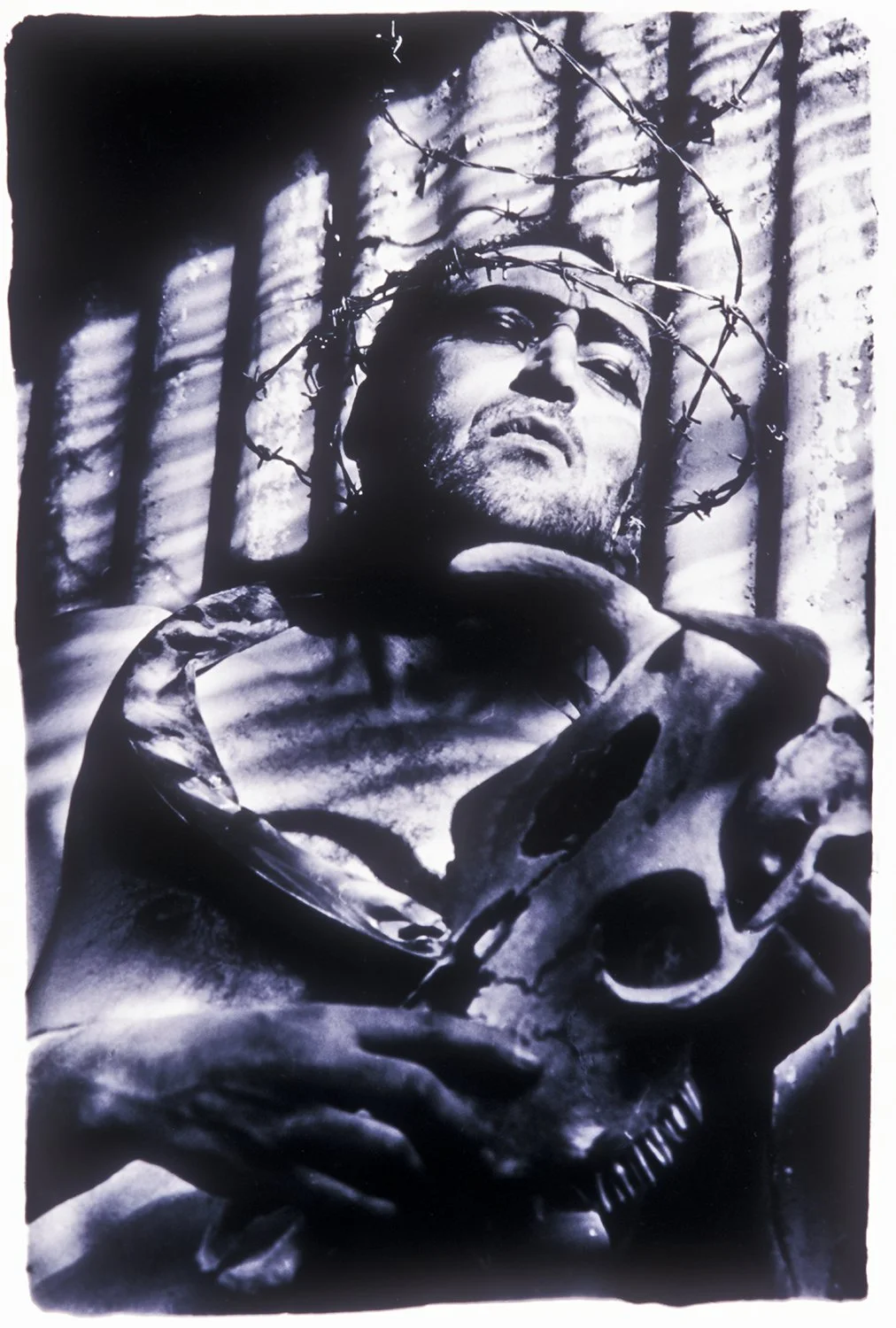
Michael Polyester portrait taken on 35mm film 1995.
The most profound shift since the inception of film was the rise of digital photography. Having trained in film, I found it disempowering initially, with the emphasis moving from a physical process that I had embraced to the necessity of a computer-based workflow. I had no interest or desire to use computers, and it felt like a massive imposition to be so completely dependent on them for my work. Gradually, the interface got more user-friendly, and over time, I educated myself in the use of the programs and processes.
After my initial indignation at having lost the ability to work with film—a medium I was very fond of—I had a gradual acceptance of the digital world. I ended up understanding that digital was by far the superior medium for commercial and advertising photography.
Being able to see photographs complete with exposure information, as I took them, was revelatory. The work was a known quantity as it was being made. Without the guesswork, the quality of my work improved exponentially. I could show the client and develop ideas and compositions on the spot.
I also found that I really enjoyed post-production. It gave me an unbroken chain for quality control, and revolutionised the potential of the refinement of imagery that I could make. I base my shooting style around the knowledge I have of how I can refine and enhance the photograph in post.
The smartphone revolution was a huge blow to commercial photography. Everyone now had the capacity to take a photograph with no impediment to using those images commercially. This came with some benefits to business, and some perceived benefits. The benefits were saving money while creating and sharing documentation of projects and events. Much of this work didn’t need to be particularly refined or considered to be useful. However, it also put the responsibility of photography in the hands of many people with no interest or understanding of the medium. Many, many crimes against photography have been committed.
Around the same time, stock photography was rising in popularity. Stock is a library of a wide variety of photography that's available for purchase or licensed by businesses to use for advertising. The most successful stock images are the ones that can be used across a variety of applications. The photographers creating stock sell more images if their work is simple, obvious and formulaic. The only thing worse than making a bad impression is making no impression at all. Stock photography has proliferated a sea of conservative, generic photography, and by extension, a great deal of branding devoid of impact. Once you know the recipe, the look of stock photography is completely obvious.
By its nature, stock photography does the opposite of making your business stand out, and a popular stock photograph could just as easily show up on your primary competitor's website.
For the bulk of content creators on social media, the need to be seen far outweighs the need to share anything of merit. The truly relentless nature of this medium has led to the proliferation and normalising of super-low-quality imagery and vacuous distractions. Many businesses are fixated on quantity over quality, which is largely at odds with their branding message and company values.
The quality of AI is already getting to a point that in many cases, it’s hard to tell the difference between it and handmade work. It’s hard for me to talk about AI without sounding alarmist. I am not a fan of the plagiarism, nor the disingenuous tech bros who are racing to profit from it. No doubt it will make some beautiful work, given its resources; it should… It’s already hard for businesses to justify employing a photographer for a day if the machine can do something approximating the same thing in an hour.
The main issues the photography industry has had to contend with throughout my career are the proliferation of access to the tools to make publishable photographs. Fundamentally, AI is another round of putting the responsibility of making refined and communicative photography into the hands of untrained and inexperienced people.
I genuinely care about the photography I make and how refined I can make the storytelling. I know the right path of questioning people to get to the heart of the story, allowing me to make appropriate decisions about what to include in the finished photograph.
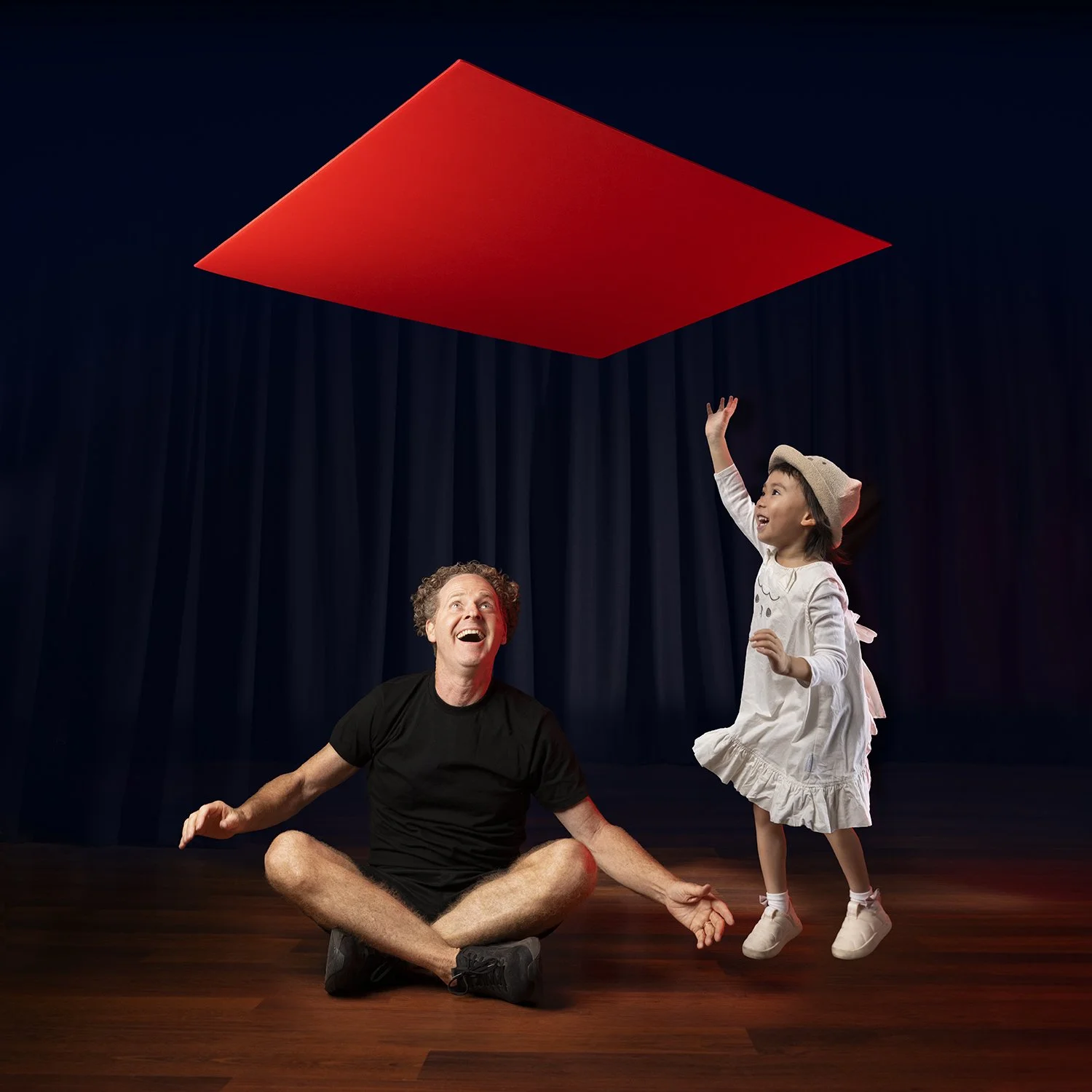
Poster image for Stephen Noonan’s new work, I See Red.
Commercial photographers exist to make imagery that concisely represents the specifics of your business in the market place. Throughout my career, I have had to continuously develop my skill sets and diversify into specific subsets of photography. I’m hopeful that my industry is still relevant in years to come. Obviously, I have a vested interest, but I can see first hand how quality commercial photography functions as a powerful tool for business. Commercial photography is a skill set of storytelling combined with a broad collection of technical knowledge, created with specialised equipment.
Along the lines of brain surgery and flying planes, I think some things should be left to experienced practitioners.